
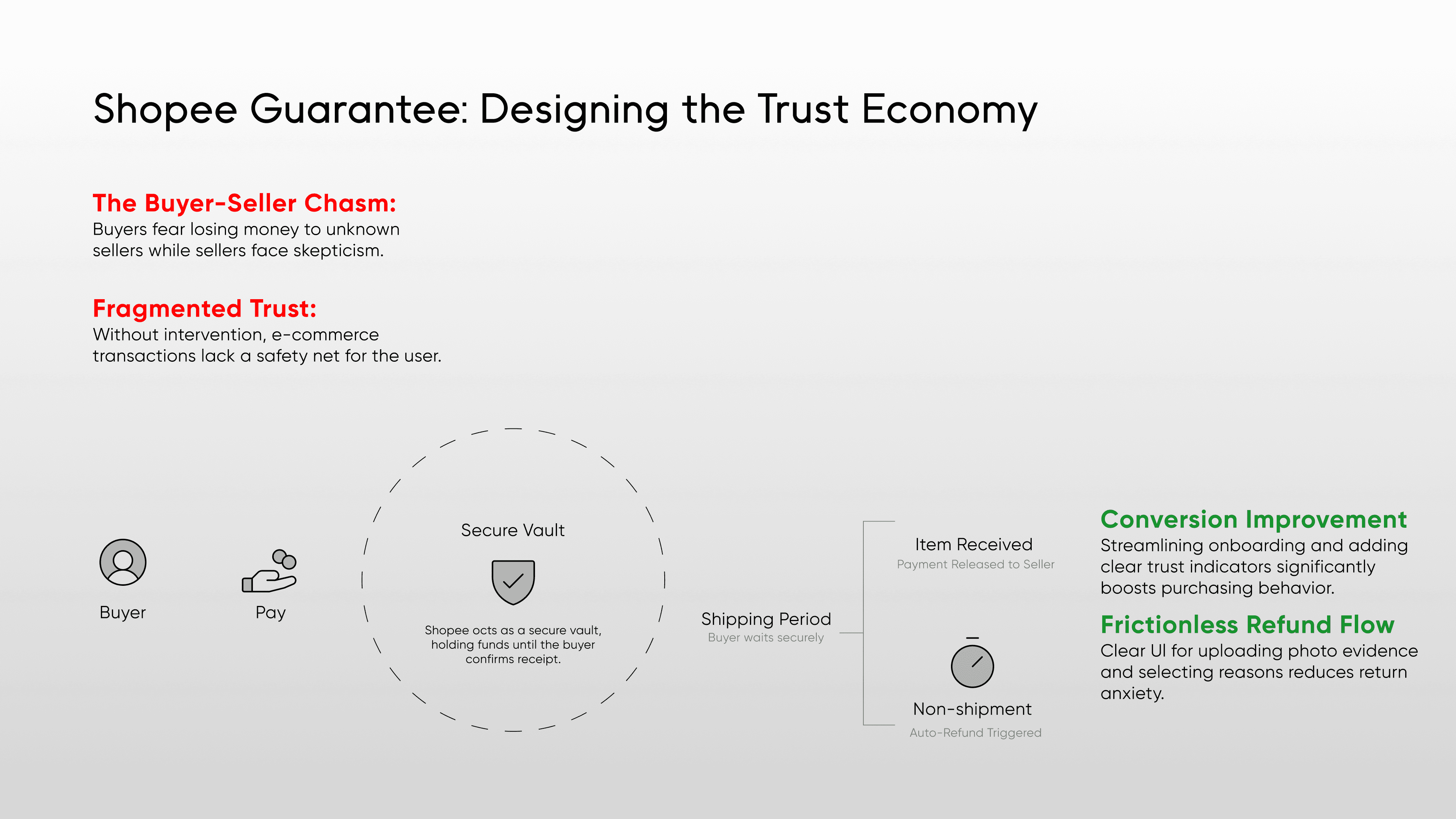
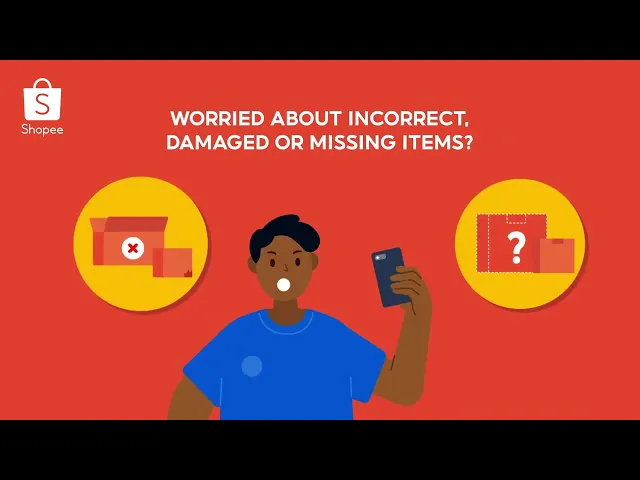
In a rapid-growth e-commerce landscape, the biggest barrier to conversion isn't price it’s trust. Buyers were hesitant to shop from new or unverified sellers due to the risk of non delivery or receiving damaged goods. Shopee Guarantee was developed as our flagship buyer protection program.
How might we create a secure 'escrow' experience that protects buyer capital, ensures seller accountability, and reduces the friction of returns all while maintaining a seamless checkout flow?
Team & Responsibilities
I served as the Sr designer for the end to end protection experience, coordinating between the payments team and the user experience squad.
| Product strategy, trust signaling framework, and dispute resolution logic. | |
| UI design for order management, refund flows, and mobile status tracking. | |
| Business logic for payment release windows and escrow triggers. | |
| Backend integration of the payment holding mechanism and automated refund scripts. |
The Challenge
We had to solve for the "Fear of the Unknown" without making the app feel like a legal document.
The Transparency Gap:Buyers needed to understand that their money wasn't gone the moment they hit "Pay," but was being held safely by Shopee.The "Unhappy Path" Friction:The existing return/refund process was perceived as a "battle" against the seller. We needed to transform it into a user centric service.Strict Timelines:Designing a system that clearly communicates "Guarantee Periods" to prevent buyers from missing their window to claim a refund.
The Impact
By productizing trust, we fundamentally changed the purchasing behavior on the platform.
Conversion Rate:A double digit increase in "Add to Cart" actions for cross-border and new seller listings.Support Overhead:Automated refunds for non shipment reduced "Where is my order?" tickets by 70%.Increased NPS:Users cited the "Safety Net" of Shopee Guarantee as a primary reason for choosing the platform over local competitors.
The Design Proces
The Escrow Visualization (The "Safe Box" Concept)
The most critical design task was making the "Holding" of money visible. We introduced a specific Transaction Timeline in the order details to demystify the escrow process.
Design Solution:I moved away from vague status labels (e.g., "Paid") to a progress based trust bar. The UI clearly showed that the seller only gets paid after thebuyer taps "Order Received."

Streamlining the Dispute Flow
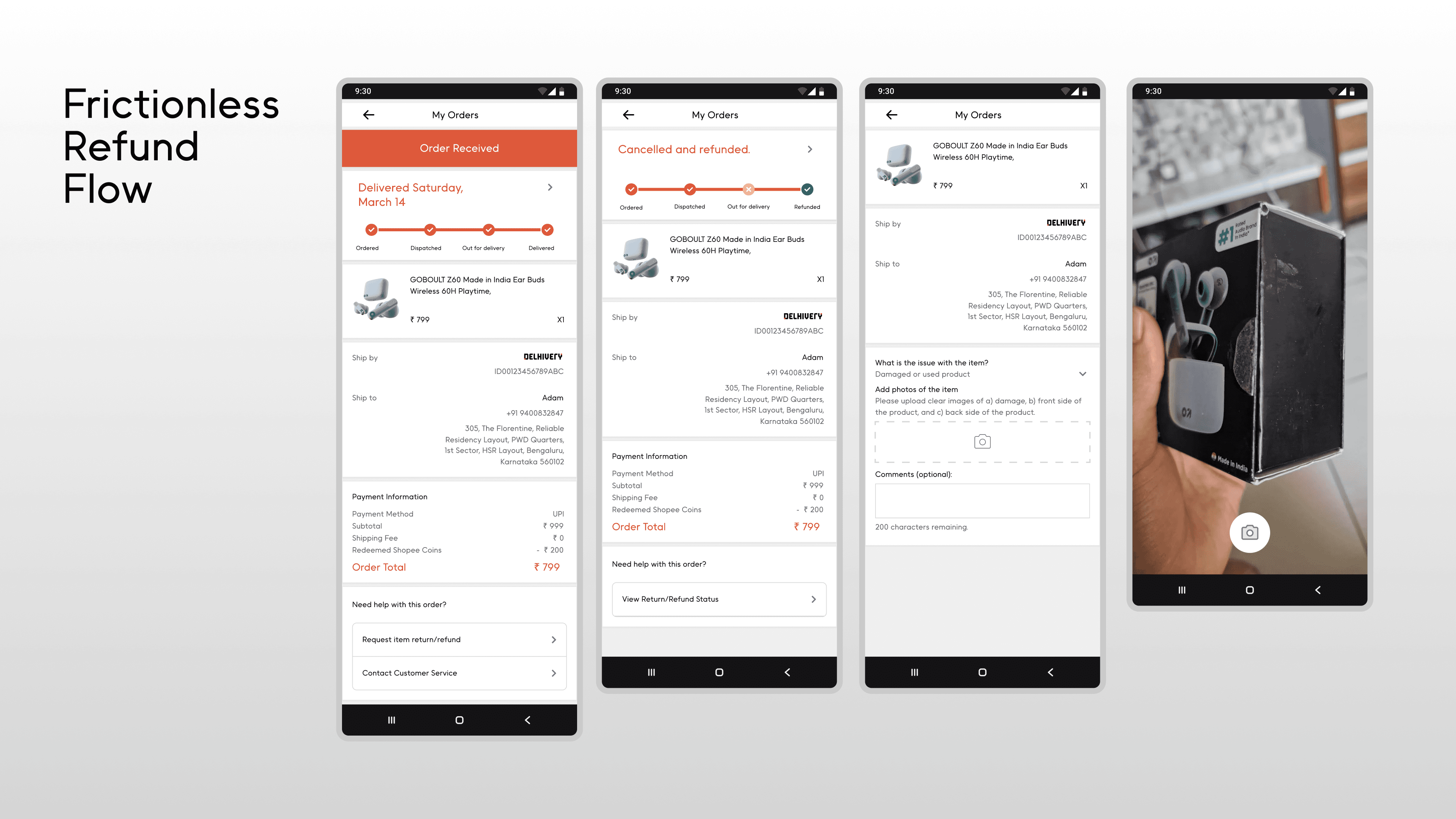
When a product arrives damaged or late, the user is in a high stress state. I redesigned the Refund/Return Request to be a 6 step guided "Wizard" rather than a complex form.
Input Design:We integrated camera access directly into the flow to allow forinstant evidence upload, reducing the "back and forth"typical of marketplace disputes.Clarity:We replaced legal jargon with empathetic,action oriented micro copy.

3. Defining the Timeline Table
To ensure buyers knew exactly where they stood, we implemented a clear Guarantee Period dashboard. This handled the "Automatic Protection" logic:
Event | Action/Outcome |
|---|---|
| Payment held securely in escrow. |
| System triggers Automatic Refund at the deadline. |
| Guarantee period begins; buyer inspects goods. |
| Buyer taps "Order Received" - Funds released to seller. |

4. The Safety Nudge (Trust Signaling)
We integrated "Shopee Guarantee" badges throughout the buyer journey from search results to the final checkout screen. This consistent signaling reminded the user at every point of friction that their purchase was protected.
Key Takeaway
Designing for trust isn't just about security features; it's about visibility. By showing the buyer exactly where their money is and providing a clear "emergency exit" through a streamlined refund flow, we built the confidence necessary for the marketplace to thrive.

Abi Arulraj
Designer
Loading weather data...
Available